
A home with character.
A connection to something lasting.
Explore life around Historic Bethlehem: distinctive homes, Main Street shops and dining, Moravian heritage, and the details that matter when buying or selling an older property.
History is part of the setting.
Your daily life is the priority.
Historic Bethlehem is known for its Moravian heritage, preserved architecture, and downtown streets. For a homebuyer, the appeal becomes personal: the spaces you want, the places you’ll visit, and the kind of property you want to care for.
Spend time here beyond a single showing. Walk your likely routes, visit at different hours, and compare the experience of living close to downtown with the practical details of each home.
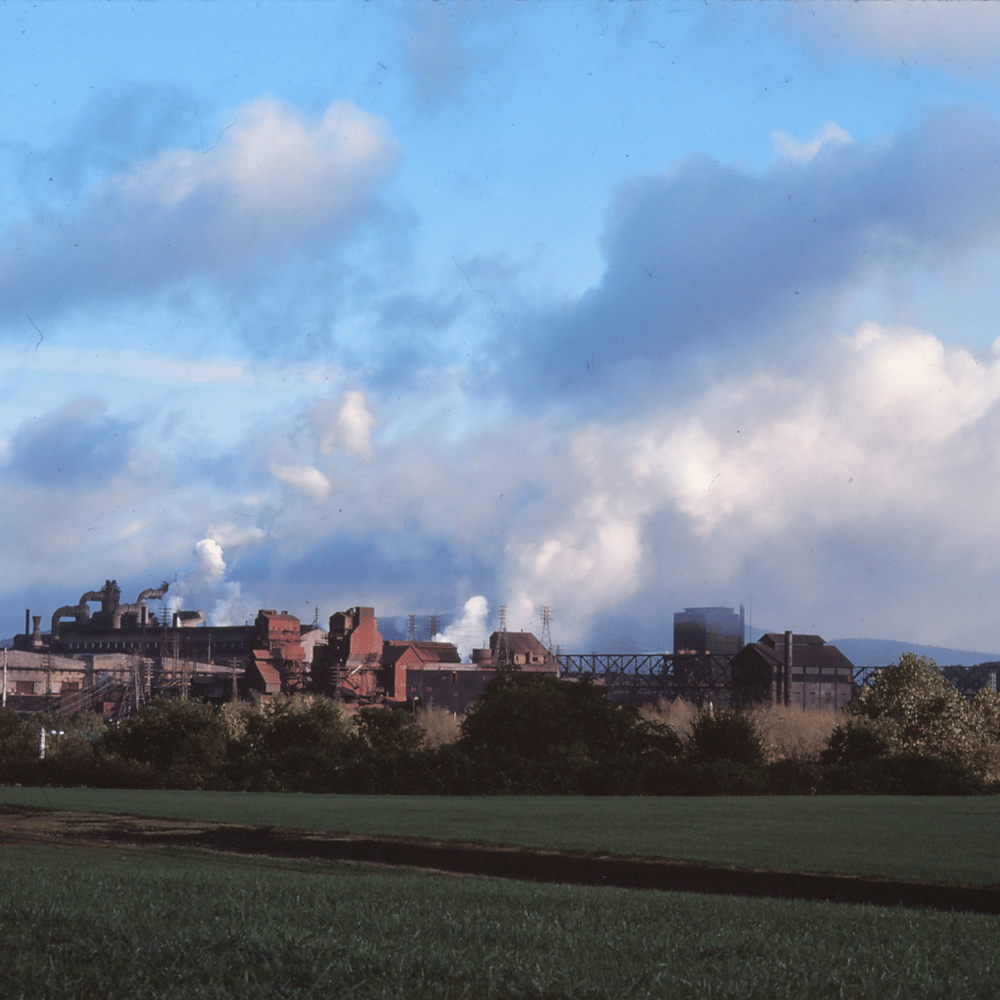
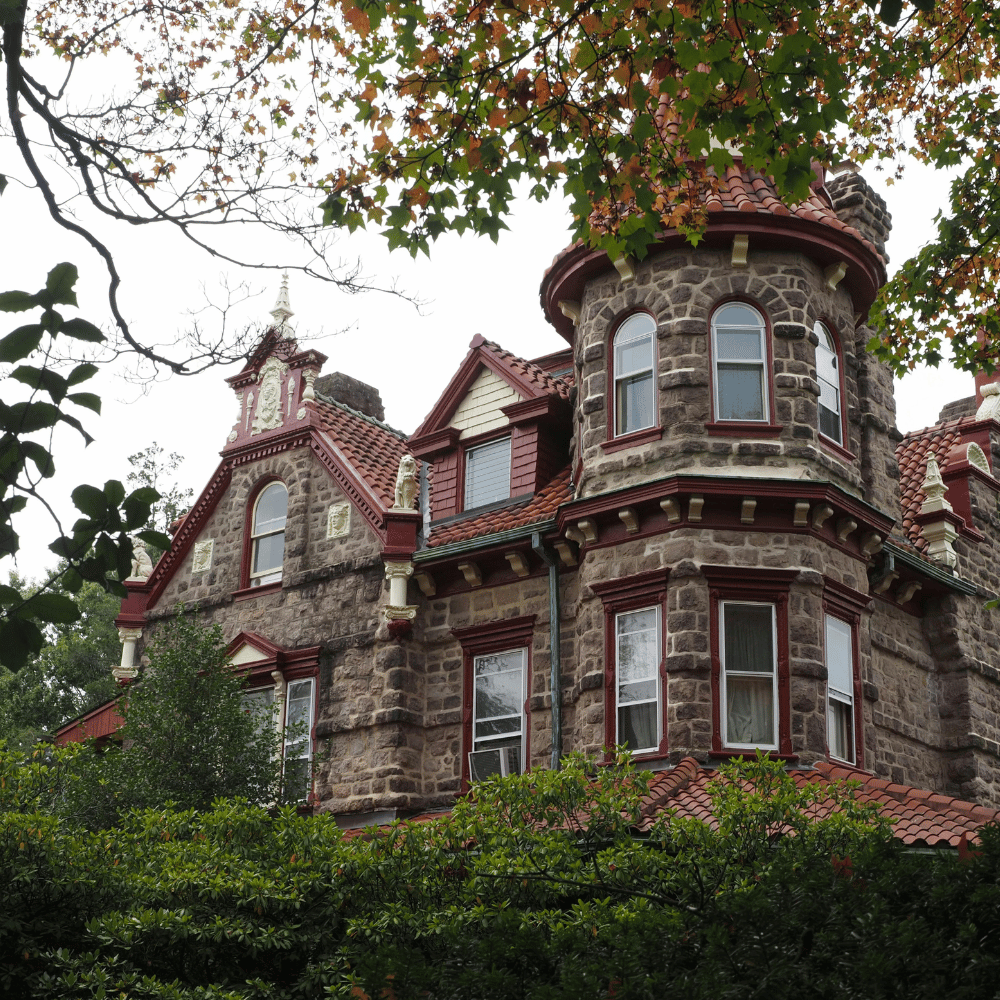
“Historic Bethlehem”
deserves a closer look.
A neighborhood description, a city historic district, and a World Heritage designation are different things. Confirm what applies to the property you’re considering.
Explore the surrounding streets.
Main Street, Broad Street, and the surrounding downtown area offer places to shop, dine, and explore Bethlehem’s history.
Proximity varies by property. Test actual walking routes, crossings, terrain, parking, and access to your preferred destinations.
Verify historic district status.
The city’s Bethlehem Historic District has an exterior-review process. Other city conservation districts have their own review framework.
An older building or a listing labeled “historic” is not enough to establish which rules apply.
Review City District Information ↗Understand the Moravian connection.
Bethlehem’s Moravian settlement became part of the UNESCO World Heritage listing in 2024, recognizing its historic significance.
That recognition does not mean every nearby home is part of the designated World Heritage property.
Explore the World Heritage Story ↗
Places to explore.
Reasons to stay awhile.
A home search is also a chance to discover how you’d spend your time. Start with the experiences that make Historic Bethlehem distinctive.
Moravian sites & walking tours
Explore the buildings and stories connected to Bethlehem’s early Moravian community through Historic Bethlehem Museums & Sites.
Explore Historic Bethlehem ↗Shops, dining, and everyday stops
Spend time around Main Street and Broad Street. Find the restaurants, coffee shops, stores, and services you’d like to make part of your routine.
Visit on an ordinary weekday as well as a weekend to understand the setting beyond a special event.
Monocacy Way & city recreation
Explore the Monocacy Way Trail and Bethlehem’s recreation resources. Check the route and access points relative to each home.
Explore Trails & Linear Parks ↗Musikfest
Experience Bethlehem’s signature music festival. If you’re buying nearby, consider how event activity may affect parking, sound, and access.
Visit the Official Festival Site ↗SteelStacks & SouthSide arts
Broaden your Bethlehem routine with arts, performances, film, and community programming at SteelStacks on the SouthSide.
Explore SteelStacks ↗Discover the calendar.
Look for tours, seasonal programs, performances, and community activities through official organizers. Build a visit around the experiences you enjoy.
Explore City Resources ↗Confirm current schedules, hours, tickets, accessibility, and availability with the organizer before visiting.
Appreciate the details.
Understand the responsibilities.
Older homes can offer distinctive architecture and craftsmanship. Evaluate each property’s condition, documentation, and suitability for your plans.
Make sure the spaces work.
Look beyond finishes. Consider ceiling heights, stairs, room connections, bathrooms, closets, workspaces, and accessibility.
- Measure important rooms and furniture access.
- Evaluate storage and practical daily circulation.
- Investigate proposed alterations before assuming they’re feasible.
Inspect the building as a whole.
Ask qualified professionals to evaluate the roof, structure, masonry, moisture, drainage, mechanical systems, and other concerns.
- Review the age and condition of major systems.
- Ask about repairs, prior problems, and available records.
- Budget for appropriate maintenance and unexpected work.
Check before you renovate.
Depending on designation and proposed work, exterior changes may require historic review in addition to other approvals.
- Discuss windows, doors, roofing, siding, and additions with the city.
- Verify permits for prior and planned improvements.
- Obtain guidance before committing to materials or contractors.
Look past the purchase price.
Build a budget that includes taxes, insurance, heating and cooling, maintenance, and any association or parking expenses.
- Get insurance quotes for the actual property.
- Request available utility and maintenance information.
- Discuss replacement-cost and coverage questions with your insurer.
Schools, work,
and the routes between them.
Historic surroundings are one part of the picture. Your school needs, worksite, transportation, and regular activities should help shape the search.
Verify the assigned schools.
Use Bethlehem Area School District resources as a starting point, then confirm the exact address, school assignment, enrollment requirements, and transportation directly with the district.
Explore the BASD School Directory ↗Research the options important to you.
Explore Moravian Academy and Bethlehem Catholic directly for their programs, admissions, tuition, campus locations, and transportation information.
Connect your move to your work.
Bethlehem’s educational and employment landscape includes Moravian University, Lehigh University, healthcare organizations, and regional businesses. Verify your actual campus or worksite before estimating a commute.
Test the actual routine.
Drive or walk the routes you’ll use at the times you’ll use them. Consider parking, river crossings, events, and your own accessibility needs.
If you work from home, confirm internet service availability at the address and evaluate the space, privacy, and layout.
School references are research starting points, not rankings or endorsements. Verify current information directly with the district or institution.
Find the character you love.
Keep your priorities in view.
We’ll help you organize a search around your budget, practical needs, preferred setting, and comfort with maintaining an older property.
Define your must-haves.
Set your budget, space needs, accessibility requirements, parking priorities, and renovation limits.
Compare properties consistently.
Look at layout, condition, location, ownership costs, and needed work—not just attractive details.
Verify the property’s status.
Confirm district designation, permits, restrictions, intended uses, taxes, and school assignment.
Investigate before committing.
Review disclosures and arrange inspections and specialist evaluations within your contract terms.
Plan for the first year.
Budget for moving, immediate priorities, routine maintenance, and a reserve for unexpected work.
Tell the home’s story.
Support it with the details.
A distinctive property benefits from thoughtful presentation, relevant comparisons, and clear information about condition and ownership.
Use relevant comparisons.
Review comparable sales with attention to location, size, layout, condition, improvements, parking, and other property-specific features.
Historic character can be part of the appeal, but it does not establish a guaranteed premium or replace a supported pricing strategy.
Make the history useful.
Gather available repair invoices, permits, approvals, warranties, inspection reports, and documentation of significant work.
Discuss known issues and applicable disclosures early. Do not rely on the home’s age or “as-is” wording as a substitute for required disclosure.
Highlight what buyers can verify.
Use photography and property information to explain the layout, architectural details, improvements, outdoor space, and practical features.
Be precise about what is original, restored, replaced, included, or subject to restrictions.
Prepare for an informed buyer.
Be ready for questions about heating and cooling, masonry, roofing, moisture, electrical systems, windows, maintenance, and future changes.
For most pre-1978 homes, federal lead-paint disclosure requirements also need attention. Review the applicable process with your professionals.
Balance proceeds, timing, and terms.
Review price, credits, financing, inspection provisions, appraisal terms, settlement, and possession together.
Ask for an updated seller net sheet and document agreed changes. Brokerage compensation is negotiable.
Historic charm.
Practical answers.
Is every home near downtown in the historic district?
No. Confirm the exact parcel against the city’s district information. A listing’s neighborhood description does not establish a legal designation.
Does the UNESCO designation include every nearby home?
No. The Moravian World Heritage property is a specific designation. Do not assume an address is included because it is nearby or described as being in Historic Bethlehem.
Can I replace windows or change the exterior?
That depends on the property’s designation and the proposed work. Confirm historic review, zoning, and permit requirements with the city before ordering materials or hiring a contractor.
Can I renovate the interior?
Investigate the specific project. Even where historic exterior review does not apply, building permits, structural requirements, other restrictions, or association approvals may still matter.
What should I check about parking?
Confirm any deeded spaces, garage access, shared arrangements, permit requirements, and street restrictions. Visit when you would normally be arriving home and consider event periods.
Are historic homes more expensive to maintain?
Costs vary by condition, materials, prior work, systems, size, and your plans. Get property-specific inspections and estimates rather than relying on a general rule about older homes.
How do I confirm schools for a property?
Contact the school district with the exact address. Verify assigned schools, enrollment requirements, programs, and transportation directly.
Can I use a home as a rental or short-term rental?
Verify current zoning, licensing, inspections, occupancy limits, and other applicable restrictions with the city. Historic character and proximity to attractions do not establish rental eligibility.
How should I price a distinctive historic property?
Start with relevant comparable sales and current competition, then consider condition, layout, improvements, location, parking, and restrictions. An online estimate alone may miss important details.
Can your team help before I’m ready to buy or sell?
Yes. An early conversation can help you identify priorities, organize questions, plan preparation, and understand the next steps without committing to an immediate move.
Looking for something distinctive?
Let’s start with your plans.
Whether you’re drawn to a historic home or preparing to sell one, the Jared Erhart Real Estate Team will help you ask the right questions and move forward with a thoughtful strategy.
General community and real estate information. Verify property designations, permits, restrictions, school assignments, taxes, services, and event details directly with the responsible organization. This guide is not legal, tax, architectural, engineering, or inspection advice. No property value, renovation approval, school placement, or investment result is guaranteed. Equal Housing Opportunity.